
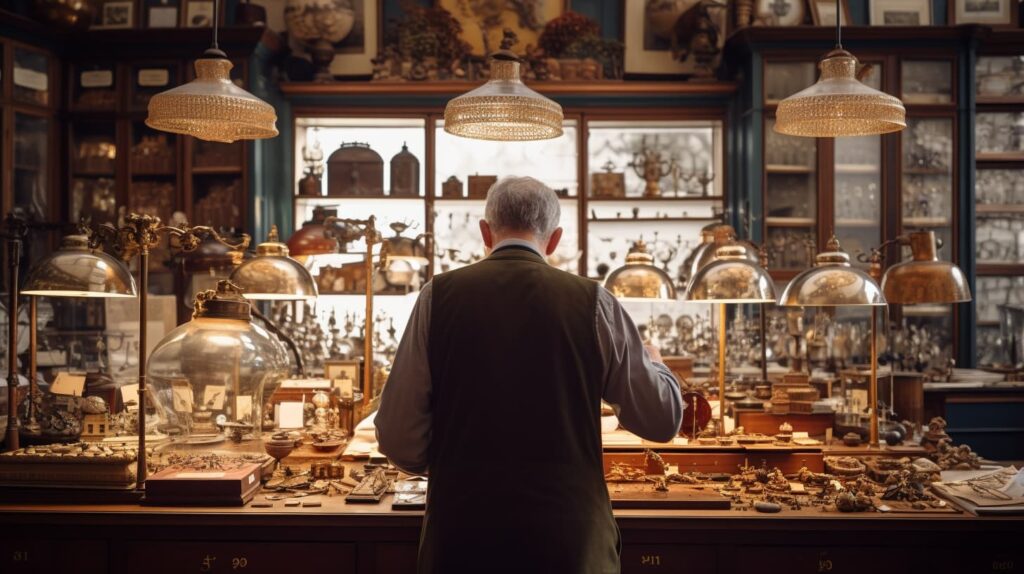
Welcome to the enchanting world of rare antiques in London! If you have a passion for history, unique craftsmanship, and timeless pieces of art, then you’re in for a treat. London is a treasure trove of hidden gems, where you can unearth antique treasures that will add character and charm to your home.
Whether you’re a seasoned collector or just starting out on your antique-hunting journey, this guide will take you through the best places to explore, the specialized antique shops to visit, and the tips and tricks to make your antique hunting experience a success. So, put on your detective hat, grab a magnifying glass, and let’s dive into the fascinating world of rare antiques in London.
In this guide, you will discover:
- The best antique districts in London
- Specialized antique shops that are a must-visit
- Auction houses and antique fairs for unique finds
- Practical tips for successful antique hunting
- How to preserve and display your antique treasures
- The importance of antique restoration and how to find qualified restorers
So, get ready for a journey through time as we uncover rare antiques and delve into the rich history and craftsmanship of London’s antique scene. Let’s embark on this adventure and discover the hidden gems that await us in the captivating world of antiques in London!
Exploring Antique Districts
London is a treasure trove when it comes to antiques, and exploring the city’s various antique districts is a must for any antique enthusiast. From quaint markets to hidden gems tucked away in narrow alleyways, London has something to offer for every antique lover. Here are some of the top antique districts in London that are worth exploring:
Portobello Road Market
Location: Notting Hill, West London
Opening Hours: Fridays and Saturdays, 9 AM – 7 PM
Portobello Road Market is one of the most famous and iconic antique markets in the world. Stretching over a mile, this vibrant market is lined with colorful Victorian townhouses and offers a wide array of antiques, vintage clothing, collectibles, and bric-a-brac. Whether you’re looking for antique furniture, vintage clothing, or unique decorative items, Portobello Road Market has it all.
Camden Passage
Location: Islington, North London
Opening Hours: Wednesday – Saturday, 10 AM – 6 PM
Nestled in the heart of Islington, Camden Passage is a hidden gem for antique lovers. This picturesque pedestrian street is lined with charming shops selling a variety of antiques, vintage clothing, and quirky curiosities. Explore the narrow alleyways and discover antique furniture, vintage jewelry, and rare collectibles. Don’t forget to stop by The Camden Passage Antiques Market, which is held every Wednesday and Saturday.
Bermondsey Antiques Market
Location: Bermondsey, South London
Opening Hours: Friday, 6 AM – 2 PM
For early birds and serious antique hunters, Bermondsey Antiques Market is the place to be. Held every Friday morning, this bustling market is filled with antique dealers offering a vast selection of furniture, silverware, ceramics, vintage clothing, and more. From Georgian silver to mid-century modern furniture, you can find a wide range of items at affordable prices. It’s advisable to arrive early to get the best deals and avoid the crowds.
Exploring these antique districts in London is like stepping into a time capsule. You never know what hidden treasures you might come across, so be prepared to spend hours delving into the fascinating world of antiques. Happy hunting!
Visiting Specialized Antique Shops
When it comes to hunting for rare and unique antiques, visiting specialized antique shops is an absolute must. These shops offer a curated selection of exquisite pieces that cater to specific interests and tastes. Whether you’re a collector or just someone with an affinity for the past, these shops provide a treasure trove of possibilities. Here are some of the top specialized antique shops in London that are definitely worth a visit:
Bowman Sculpture
If you’re a fan of sculptures and fine art, Bowman Sculpture should be at the top of your list. Located in the heart of Mayfair, this gallery specializes in exquisite sculptures from the 19th and 20th centuries. Their collection includes works by acclaimed artists such as Auguste Rodin, Henry Moore, and Lynn Chadwick. Whether you’re looking to add to your existing collection or want to start one, Bowman Sculpture is the perfect place to find a piece that speaks to you.
M. Charpentier Antiques
For those with a passion for French antiques, M. Charpentier Antiques is a hidden gem. Located in the charming area of Pimlico, this shop offers a wide range of French furniture and decorative objects from the 18th and 19th centuries. From delicate Louis XVI chairs to opulent Rococo mirrors, their collection embodies the elegance and craftsmanship of the French aesthetic. With their exquisite selection and knowledgeable staff, M. Charpentier Antiques is a must-visit for anyone with a penchant for French artistry.
Thomas Goode & Co.
If you have a love for fine china, crystal, and luxury tableware, Thomas Goode & Co. is the place to be. Established in 1827, this iconic shop in Mayfair is renowned for its exquisite selection of tableware and home accessories. From hand-painted china to sparkling crystal glasses, their collection includes pieces from some of the world’s most prestigious brands. As you step into this elegant store, be prepared to be dazzled by the sheer beauty and timeless elegance of their offerings.
Visiting specialized antique shops is not just about acquiring new pieces for your collection, it’s also an opportunity to immerse yourself in the rich history and craftsmanship of the items on display. These shops are curated by experts who have a deep understanding and appreciation for the artistry behind each piece. The experience of exploring these shops is like stepping back in time and connecting with the beauty of bygone eras.
Tips for Visiting Specialized Antique Shops
When visiting specialized antique shops, here are a few tips to keep in mind to make the most of your experience:
- Do your research: Before visiting a particular shop, take some time to research their collection and specialty. This will help you have a better understanding of what to expect and allow you to focus on the pieces that interest you the most.
- Ask questions: Don’t hesitate to ask the staff for more information about a particular item or its history. They are often experts in their field and can provide valuable insights that enhance your appreciation of the piece.
- Inspect condition and authenticity: Take the time to carefully examine the condition of the items you’re interested in. Look for any signs of damage or restoration. Additionally, ask about the item’s authenticity and if it comes with any documentation.
- Set a budget: It’s easy to get caught up in the excitement of antique shopping and overspend. Before entering a shop, set a budget for yourself and try to stick to it. This will help you make more informed purchasing decisions.
Visiting specialized antique shops is an adventure that brings together history, art, and the thrill of discovery. From stunning sculptures to exquisite French antiques and luxurious tableware, these shops offer a world of hidden treasures waiting to be unearthed. So, put on your detective hat, follow your passions, and be prepared to be amazed by the wonders that await you in these specialized antique shops.
Auction Houses and Antique Fairs
If you’re a true antique enthusiast, you cannot miss the opportunity to visit the auction houses and antique fairs in London. These venues are not only a treasure trove of rare and unique antiques but also a hub for collectors, dealers, and enthusiasts from all over the world. Here, you can find a wide range of items, from antique furniture and sculptures to vintage clothing and jewelry. Let’s explore the fascinating world of auction houses and antique fairs in London.
Sotheby’s
Sotheby’s is one of the world’s biggest and most prestigious auction houses. Established in 1744, it has a long-standing reputation for curating exceptional collections and hosting remarkable auctions. Located in New Bond Street, Sotheby’s offers a diverse range of antiques, including paintings, ceramics, silverware, and jewelry. Attending an auction at Sotheby’s is an experience in itself, as you witness the excitement and anticipation of bidders competing for rare and valuable items.
Bonhams
Bonhams, founded in 1793, is another renowned auction house in London. With multiple locations across the city, including Bond Street and Knightsbridge, Bonhams specializes in a wide range of categories, such as fine art, jewelry, watches, and furniture. The auction house holds regular auctions that attract avid collectors and investors alike. Whether you’re looking for a piece of fine art or a vintage automobile, Bonhams is a great place to explore and potentially find your next valuable acquisition.
Kerry Taylor Auctions
The world’s foremost auction house for exquisite fashion (both vintage and contemporary), fine antique costume, European, Asian and Islamic textiles is Kerry Taylor Auctions. They usually conduct five auctions every year, which attract private individuals, collectors, museums and institutions from all over the world. Their Passion for Fashion sales, which happen twice a year, feature only the finest examples of vintage, haute couture, contemporary show pieces, rare antique costume and luxury accessories.
Kerry Taylor Auctions is located in Bermondsey, London, near the White Cube gallery and the London Fashion & Textile Museum.
The Decorative Antiques & Textiles Fair
For those looking for a more immersive antique shopping experience, The Decorative Antiques & Textiles Fair is a must-visit. Held three times a year at Battersea Evolution, this fair brings together over 160 exhibitors showcasing a wide variety of antiques and decorative pieces. From antique furniture to vintage textiles, you can expect to find a plethora of unique and high-quality items. The fair attracts interior designers, dealers, and discerning collectors, making it an excellent opportunity to network and discover hidden gems.
Tips when visiting auction houses and antique fairs:
- Research upcoming auctions and fairs to plan your visit accordingly.
- Familiarize yourself with the types of items each venue specializes in to ensure you find what you’re looking for.
- Arrive early to have ample time to explore and have a chance to examine the items up close.
- Set a budget and stick to it to avoid overspending on impulse purchases.
- Don’t hesitate to ask questions and engage with the vendors or auction house staff. They are often highly knowledgeable and can provide valuable insights about the items on display.
- Take notes and photographs of the items you’re interested in for future reference.
Visiting auction houses and antique fairs in London is more than just a shopping trip. It’s an opportunity to immerse yourself in the world of antiques, discover hidden treasures, and connect with fellow enthusiasts. So, put on your walking shoes, grab a notebook, and get ready to uncover the magic of London’s auction houses and antique fairs.
Tips for Antique Hunting
Are you intrigued by the world of antiques and eager to start your own collection? Antique hunting can be a thrilling adventure, whether you’re a seasoned collector or just getting started. London is a treasure trove when it comes to finding unique and rare antiques. To make the most of your antique hunting experience, here are some valuable tips to keep in mind:
Research and Educate Yourself
Before you embark on your antique hunting journey, it’s essential to do your homework. Take the time to educate yourself about different types of antiques, their history, and their value. Familiarize yourself with different styles, materials, and markings to help you identify hidden gems. Check out books, websites, and even attend antique lectures or workshops to expand your knowledge.
Inspecting the Authenticity and Condition
When you spot an antique that catches your eye, take the time to inspect it carefully. Look for signs of authenticity and quality craftsmanship. Keep an eye out for any repairs, alterations, or damage that may affect its value. Examine the details, such as labels, hallmarks, or signatures, that can help determine the authenticity of an item. Don’t hesitate to ask the seller for more information or additional photographs if needed.
Negotiating Prices and Bargaining
One of the joys of antique hunting is the thrill of negotiation. Don’t be afraid to haggle and bargain with the seller. Start by doing some research on the average price range for similar items. Be respectful, but also be prepared to walk away if the seller isn’t willing to negotiate. Remember, the price is not always set in stone, and with some polite bargaining, you might snag a fantastic deal.
“A successful antique hunter knows the art of negotiation – the thrill of getting a great price is part of the adventure.”
Trust Your Instincts
When it comes to antique hunting, trust your gut feeling. If something seems too good to be true, it probably is. Trust your instincts when evaluating the condition, authenticity, and value of an item. If something doesn’t feel right, it’s okay to walk away. There will always be other opportunities to find your perfect piece.
Network and Connect with Experts
Building connections within the antique community can be incredibly helpful in your hunting journey. Attend antique fairs, join forums or social media groups, and engage with experts and fellow enthusiasts. Networking can provide you with valuable insights, tips, and even opportunities to discover hidden gems. Don’t be afraid to ask questions and learn from those who have years of experience in the field.
Take Your Time and Enjoy the Process
Antique hunting is not a race; it’s a journey. Don’t rush the process; take your time to explore different shops, markets, and events. Allow yourself to be captivated by the stories behind each piece and the thrill of the hunt. Enjoy the experience and appreciate the beauty of each antique you come across. Remember, the joy is as much in the search as it is in the discovery.
“Antique hunting is like a treasure hunt; each find is a story waiting to be told.”
Now that you’re armed with these valuable tips, you’re ready to embark on your antique hunting adventure in London. Remember to do your research, trust your instincts, and enjoy the journey. Happy hunting!
Preserving and Displaying Your Antiques
Preserving and displaying your antiques is essential to maintain their beauty and value. Whether you have a stunning vintage vase or a rare piece of furniture, proper care and presentation can make a big difference. Here are some tips on how to preserve and display your antiques:
1. Proper Cleaning and Maintenance
Regular cleaning:
- Dust your antiques regularly using a soft cloth or a feather duster to remove any accumulated dirt or dust.
- Avoid using harsh cleaning agents, as they can damage the surface of your antiques.
- For delicate items, consult with a professional conservator for appropriate cleaning techniques.
Avoid direct sunlight:
- Exposure to direct sunlight can cause fading and damage to your antiques.
- Keep your antiques away from windows or use UV-filtering window treatments to protect them from harmful rays.
Temperature and humidity control:
- Maintain a stable environment for your antiques by keeping them away from extreme temperature and humidity fluctuations.
- Ideal conditions include a temperature around 68-72°F (20-22°C) and a relative humidity of 40-50%.
2. Choosing Appropriate Display Cases
Protective coverings:
- Use glass display cases or vitrines to shield your antiques from dust, moisture, and accidental damage.
- Opt for low-reflective glass or acrylic to minimize glare and maximize visibility.
- Ensure that the display case is properly sealed to maintain a stable environment inside.
Proper lighting:
- Illuminate your antiques with soft, diffused lighting to enhance their beauty and showcase their features.
- Use LED lights, as they emit minimal heat and UV radiation, which can be harmful to delicate pieces.
Adjustable shelving:
- Consider using adjustable shelving, allowing you to accommodate different sizes and heights of your antiques.
- Arrange your items with enough space between them to prevent accidental bumps or collisions.
3. Conservation and Restoration
Consult professionals:
- If your antique requires restoration or conservation work, seek the assistance of qualified professionals.
- Look for restorers who specialize in the type of antique you own, as different materials may require specific expertise.
Preserving historical value:
- When restoring antiques, it is crucial to maintain their historical value and integrity.
- Work with restorers who understand the importance of preserving original features and using authentic materials and techniques.
Documentation and record-keeping:
- Keep a detailed record of any restoration or conservation work done on your antiques.
- Document the process, materials used, and any changes made, as this can help authenticate and appraise the piece in the future.
Preserving and displaying your antiques not only showcases their beauty but also maintains their value for generations to come. By following these tips, you can ensure that your treasured possessions remain in excellent condition and continue to fascinate admirers. Remember, proper care and presentation are key to enjoying your antiques for years to come.
Discovering Antique Restoration
Do you have a treasured antique that needs a little love? Whether it’s a family heirloom or a unique find from your travels, antique restoration can bring new life to these valuable pieces. London is home to a plethora of skilled antique restorers who specialize in breathing new life into antiques while preserving their historical value. In this section, we will explore the world of antique restoration and provide you with valuable tips to ensure your antique is in the best hands.
Identifying Qualified Restorers
When it comes to antique restoration, it’s crucial to find a qualified professional who understands the intricacies of different eras and materials. Here are some key factors to consider when choosing an antique restorer in London:
- Experience: Look for restorers with extensive experience in restoring antiques. A restorer who has worked on similar pieces and has a proven track record is more likely to deliver exceptional results.
- Specialization: Different types of antiques require specific restoration techniques. Some restorers specialize in furniture restoration, while others focus on paintings or ceramics. Identify the type of antique you need to restore and choose a restorer who specializes in that area.
- Credentials: Check for any certifications or memberships in professional organizations that indicate the restorer’s commitment to quality and ongoing education in the field.
Ensuring Authentic Restoration Techniques
Preserving the authenticity of your antique is of utmost importance during the restoration process. Here are some key aspects to consider when it comes to ensuring authentic restoration techniques:
- Research: Before entrusting your antique to a restorer, do your own research on the best practices for restoration. This knowledge will help you ask informed questions and ensure that the restorer follows appropriate techniques.
- Documentation: Request a detailed restoration plan and documentation from the restorer. This should include the proposed methods, materials, and any changes that may be made to the original piece.
- Hands-on Approach: Opt for restorers who take a hands-on approach to their work, using traditional restoration techniques where applicable. This helps maintain the integrity and value of the antique.
Preserving the Historical Value
Preserving the historical value of your antique is crucial to maintaining its worth and significance. Here are some steps you can take to ensure the historical value is preserved during the restoration process:
- Minimal Intervention: Choose restorers who prioritize minimal intervention. This means only addressing necessary repairs while retaining the original elements of the antique.
- Conservation Ethics: Discuss conservation ethics with the restorer to ensure they adhere to principles that aim to minimize irreversible changes and preserve the historical authenticity.
- Long-Term Preservation: Work with the restorer to develop a plan for long-term preservation. This may involve recommendations for storing and displaying the antique to prevent further damage and deterioration.
Antique restoration is a delicate art that requires a skilled hand and an understanding of historical craftsmanship. By finding a qualified restorer, ensuring authentic techniques are used, and preserving historical value, your antique can be restored to its former glory and continue to be enjoyed for generations to come.
Now that you are armed with knowledge about antique restoration, you can confidently embark on your quest to restore your beloved antiques and preserve their historical value.
Next, in our concluding section, we will wrap up this series on uncovering rare antiques in London and leave you with some final thoughts and tips for your antique-hunting adventures.
Conclusion
In conclusion, London is a treasure trove for vintage and rare antique enthusiasts. From bustling markets to specialized antique shops, there are countless opportunities to unearth unique and valuable pieces. The city’s rich history and vibrant antique scene make it a must-visit destination for antique lovers from around the world.
Remember, when exploring London’s antique districts, be sure to visit Portobello Road Market for a diverse range of antiques, Camden Passage for quirky collectibles, and Bermondsey Antiques Market for hidden gems. Don’t forget to check out specialized antique shops like Bowman Sculpture, M. Charpentier Antiques, and Thomas Goode & Co. for an exclusive and curated selection.
If you’re looking to find even more unique pieces, consider attending auction houses like Sotheby’s and Bonhams, or explore antique fairs like The Decorative Antiques & Textiles Fair for a chance to bid on rare and valuable items.
When embarking on your antique-hunting journey, make sure to research and educate yourself on different antique styles, materials, and eras. Take the time to inspect the authenticity and condition of items before making a purchase, and don’t be afraid to negotiate prices and bargain with the seller.
Once you’ve brought your prized antiques home, it’s important to preserve and display them properly. Practice proper cleaning and maintenance techniques, choose appropriate display cases, and consider conservation and restoration options to ensure the longevity and historical value of your collection.
If you ever come across antique pieces in need of restoration, be sure to identify qualified restorers who can revitalize the items while preserving their authenticity. It’s crucial to ensure that restoration techniques used are in line with the historical period of the piece, and that the historical value is preserved throughout the process.
London’s antique scene is a true haven for collectors and history enthusiasts alike. So whether you’re a seasoned antique hunter or just starting your journey, don’t miss out on the hidden gems waiting to be discovered in the city’s antique districts, shops, auction houses, and fairs. Happy hunting!
Frequently Asked Questions
- Where can I find hidden gem antique shops in London?
Some hidden gem antique markets in London include Bermondsey Antique Market, Gray’s Antique Market, Alfies Antique Market, and Portobello Road Market. - What are some tips for finding rare antiques in London?
To find rare antiques in London, consider visiting lesser-known markets and shops, attend auctions or antique fairs, do thorough research on specific items you are looking for, and network with antique dealers and collectors. - Are there any online platforms to find rare antiques in London?
Yes, there are online platforms like The Saleroom, Invaluable, and LiveAuctioneers that allow you to browse and bid on rare antiques available in London auctions. - How can I ensure the authenticity of a rare antique I plan to purchase in London?
To ensure the authenticity of a rare antique in London, it is advisable to seek the assistance of a professional appraiser or a reputable antique dealer who can authenticate the item using their expertise and knowledge. - What are some precautions to take while purchasing rare antiques in London?
When purchasing rare antiques in London, it is important to examine the item carefully for any damage or repairs, ask for provenance or any supporting documentation, negotiate the price, and understand the terms and conditions of the sale.